• Insights
  • Careers
  • News
  • Contact Us
  • SgurrCares
Logo
  • About Us
  • BUSINESS SEGMENTS
    • Solar PV
    • Wind Energy
    • Floating Solar PV
    • Energy Storage
    • Hybrids & Microgrids
    • Green Hydrogen
    • Power System Studies
    • EHV Engineering
    • Environmental Engineering
  • ENERGY ADVISORY
    • Overview
    • Component Level Bankability studies
    • Feasibility Studies
    • EPC Bid Management
    • Lender’s Independent Engineer
    • Transaction Advisory
    • Energy Storage
    • Plant Performance Assessment
    • Asset Monitoring
    • Environmental Engineering
  • DESIGN & ENGINEERING
    • Overview
    • Infrastructure Planning
    • Electrical Engineering
    • Detailed Engineering
    • Owner’s Engineer
    • EHV Engineering
    • Power System Studies
    • Flood Risk Assessment
    • Computational Fluid Dynamics
  • PROJECT MANAGEMENT
    • Overview
    • Construction Quality Assurance
  • INSPECTION SERVICES
    • Overview
    • PV Module Inspection
    • Balance of System Components
    • ISO-17020-Accreditation
  • About Us
  • BUSINESS SEGMENTS
    • Solar PV
    • Wind Energy
    • Floating Solar PV
    • Energy Storage
    • Hybrids & Microgrids
    • Green Hydrogen
    • Power System Studies
    • EHV Engineering
    • Environmental Engineering
  • ENERGY ADVISORY
    • Overview
    • Component Level Bankability studies
    • Feasibility Studies
    • EPC Bid Management
    • Lender’s Independent Engineer
    • Transaction Advisory
    • Energy Storage
    • Plant Performance Assessment
    • Asset Monitoring
    • Environmental Engineering
  • DESIGN & ENGINEERING
    • Overview
    • Infrastructure Planning
    • Electrical Engineering
    • Detailed Engineering
    • Owner’s Engineer
    • EHV Engineering
    • Power System Studies
    • Flood Risk Assessment
    • Computational Fluid Dynamics
  • PROJECT MANAGEMENT
    • Overview
    • Construction Quality Assurance
  • INSPECTION SERVICES
    • Overview
    • PV Module Inspection
    • Balance of System Components
    • ISO-17020-Accreditation

Blog

  • Ashvini Patil
  • Blog
  • February 27, 2026

Grid Stability in the Age of Renewables: Engineering Reliability in a Changing Power System

Introduction: Grid Stability & the Role of Power System Studies Services

Power systems worldwide are moving from a few large synchronous generators to millions of inverter-based resources—solar PV, wind, batteries, and flexible loads. This transformation is fundamentally reshaping grid stability requirements.

For utilities, developers, and investors, ensuring reliability now requires advanced power system studies services supported by specialist firms like SgurrEnergy, a leading power system studies consulting company delivering global technical expertise.

Maintaining a secure and resilient grid with high renewable penetration is no longer optional—it requires structured power systems studies for grid interconnection, advanced modelling, and forward-looking grid planning.

What Grid Stability Means: Importance of Grid Connection Studies & Grid Compliance Studies

Grid stability traditionally covers several tightly linked aspects:

Frequency stability – keeping system frequency within tight bounds following disturbances, such as loss of generation or sudden load changes.

Voltage stability – maintaining acceptable voltages at all nodes, particularly under heavily loaded or faulted conditions.

Transient and oscillatory stability – ensuring generators and inverters stay synchronized and that power oscillations are damped.

Operational resilience – the ability to withstand and recover from faults, extreme weather, cyber risks, and equipment failures.

High shares of renewables impact all of these by reducing synchronous inertia, short-circuit strength, and conventional governor response, while increasing variability and bidirectional power flows. Addressing these challenges requires structured power systems studies for grid interconnection, detailed Grid Connection Studies, and comprehensive Grid Compliance studies conducted by an experienced power system studies consulting company such as SgurrEnergy.

Core Technical Challenges Identified Through Power System Studies Services

Declining Inertia and Faster Frequency Dynamics

Conventional thermal and hydro plants provide rotational inertia from large spinning masses, slowing down frequency deviations after a disturbance. As these units retire or run at minimum output, the system’s effective inertia drops.

Low-inertia systems exhibit:
● Faster and deeper frequency excursions after faults or generator trips.
● Higher risk of under-frequency load shedding and cascading events.
● Reduced time for operators and automated systems to react.

Reviews of low-inertia grids show that grids with high inverter-based generation require new forms of “synthetic” or “virtual” inertia and fast frequency response to maintain similar levels of security — typically assessed through advanced power systems studies consulting-SgurrEnergy and detailed dynamic modelling under power system studies services.

Short-Circuit Strength, Protection & the Role of an Arc Flash Study Consultant

Inverter-based resources contribute limited short-circuit current compared to synchronous machines. This can:

● Make it harder for traditional overcurrent relays and distance protection to detect and clear faults reliably.
● Lead to mis-coordination or non-operation of protection schemes in weak grids and microgrids.

New schemes—such as differential protection, traveling wave protection, and adaptive settings—are being explored to address reduced fault levels and changing fault signatures. Detailed fault analysis, protection coordination, and engagement with an experienced arc flash study consultant are critical components of modern power system studies services and Grid Compliance studies.

Variability, Congestion, and Operating Margins

High shares of solar and wind increase net-load variability and change power flow patterns across transmission and distribution networks.

Key impacts include:
● More frequent congestion on critical lines and transformers.
● Higher requirements for reserves and ramping capability.
● Increased need for accurate forecasting and flexible resources (demand response, storage, fast-start assets).

These impacts are typically evaluated through load flow analysis consulting, structured Power evacuation studies, and comprehensive Grid Connection Studies delivered by a specialist power system studies consulting company like SgurrEnergy.

Emerging Tools for Stability: Inverters, Storage, and Synthetic Inertia

Grid-Forming Inverters: From Grid-Following to Grid-Making

Traditional “grid-following” inverters rely on an existing voltage and frequency reference; they inject current according to that reference but do not inherently support it. Grid-forming (GFM) inverters, by contrast, establish voltage and frequency, behaving more like synchronous generators.

Recent studies show that GFM inverters can:
● Provide fast frequency and voltage support in both grid-connected and islanded modes.
● Ride through faults by dynamically controlling active and reactive power, keeping frequency deviations within about ±0.5 Hz and recovering within about 1 second in microgrid tests.
● Improve synchronization and robustness in weak grids with low short-circuit ratios.

Optimally sized and controlled systems must be validated through advanced power systems studies for grid interconnection and comprehensive power system studies services to ensure stable performance.

Synthetic Inertia and Fast Frequency Response

Synthetic inertia (or virtual inertia) uses power electronics and control algorithms to rapidly adjust power output in response to frequency changes, emulating the inertial behavior of rotating machines.

Key characteristics:
● Almost instantaneous active power injection or absorption after frequency deviations.
● Damping of oscillations in low-inertia systems.
● Reduced risk of large frequency swings and cascading trips.

These capabilities are assessed through dynamic simulations under structured power systems studies consulting like SgurrEnergy frameworks.

Storage as a Stability and Flexibility Resource

Battery energy storage systems (BESS) are increasingly configured not just for arbitrage but for grid support services:

● Fast frequency response and primary/secondary reserves.
● Voltage regulation and reactive power support.
● Fault ride-through and black-start capabilities when combined with grid-forming controls.

Integration requires detailed Power evacuation studies, Grid Compliance studies, and technical validation through a qualified power system studies consulting company.

Digital and AI-Based Approaches to Grid Stability

Smart grids rely on dense measurement and modelling supported by advanced power system studies services.

AI and machine learning are increasingly used to enhance grid stability and resilience alongside traditional engineering tools such as:
● Load flow analysis consulting
● Protection coordination and support from an arc flash study consultant
● Comprehensive Grid Connection Studies
● Structured power systems studies for grid interconnection

Specialist firms like SgurrEnergy, recognized for power systems studies consulting, integrate engineering simulations with AI-driven analytics to enhance system stability and compliance.

Practical Strategies for Maintaining Grid Stability with More Renewables

For system operators, utilities, and large project developers, several practical approaches are emerging as best practice:

● Specify grid-support functions for inverters.
● Plan for system-wide inertia and short-circuit strength.
● Invest in measurement and data infrastructure.
● Adopt AI-based planning and operational tools.
● Update protection and grid codes.

All of these should be underpinned by professional power system studies services, comprehensive Grid Compliance studies, detailed Power evacuation studies, and engagement with an experienced power system studies consulting company such as SgurrEnergy.

Conclusion: Stability as a Design Objective, Not a Constraint

“Grid stability in the age of renewables” is not about limiting clean energy; it is about redesigning the system so that stability becomes an engineered feature rather than an incidental by-product of synchronous machines.

Through structured power systems studies consulting advanced power systems studies for grid interconnection, expert load flow analysis consulting, and reliable arc flash study consultant support, utilities and developers can ensure stable, compliant, and resilient renewable integration.

Secure your project with SgurrEnergy — leaders in load flow analysis consulting and Grid Compliance studies.
 

Read More
  • Ashvini Patil
  • Blog
  • February 25, 2026

Transitioning Away from SF₆: Practical Pathways for Grid Reliability and Climate Compliance

Transitioning Away from SF₆: Practical Pathways for Grid Reliability and Climate Compliance

As global power systems expand, the transition away from SF₆ is no longer a theoretical exercise but a technical and financial decision point. Utilities, developers and investors must balance environmental compliance with long-term grid reliability. Understanding where alternative insulation technologies are viable – and where risks remain – is essential for informed project planning. This transition requires engineering rigour, lifecycle assessment and lender-aligned decision-making.

SF₆ and the Need for Transition

SF₆ has historically been the standard insulation and interruption medium in high-voltage switchgear due to its excellent dielectric strength and arc-quenching capability. However, SF₆ is also among the most potent greenhouse gases known, with a Global Warming Potential approximately 24,300 times that of CO₂ and an atmospheric lifetime exceeding three millennia. This environmental impact has placed SF₆ firmly under regulatory and investor scrutiny, accelerating the industry-wide shift toward lower-GWP alternatives. 

Emerging Alternatives to SF₆-Based Switchgear

The transition for SF₆ free technologies is not driven by a single replacement technology. Instead, multiple insulation and interruption solutions are being adopted depending on voltage class, system configuration, and operational context. Replacing SF6 with alternative insulation technologies like Green Gas for Grid, Vacuum, etc. are found to be emerging practices. Each option presents distinct design, performance, and lifecycle considerations that must be evaluated early in project development.

Key SF₆-Free Switchgear Technologies: 

  1. g³ (GE Grid Solutions) – Fluoronitrile Gas Mixture: g³, also known as Green Gas for Grid is composition of C4-FN + CO2/N2 which will result into the GWP reduction of around 98% lesser than SF6. It offers comparable dielectric strength to SF₆ and same footprint as SF6. Here, mixture ratio control becomes important (as it is not a single gas like SF6) along with the requirement of calibrated analysers – not just the density relays. Transmission-level g³ GIS is commercially available mainly from 66KV upto 400kV today. 550 kV exists but full large-scale GIS commercialization is still emerging — not yet widespread like SF6 GIS. Some of the disadvantages of g³ are the requirement of heating (~60°C) for gas handling due to condensation sensitivity, limited number of handling tools, trained technicians and higher cost

  2. AirPlus (ABB) – Dry Air + C5-FK Compound: Mixture of Dry Air (80–90%) + C5 fluoroketone additive with GWP lesser than one. It is very environmentally friendly (nearly CO₂-equivalent) and works well in medium voltage (12kV to 40.5kV) ring main units. It is also compatible with dry air or N₂ mixtures. Certain drawbacks—such as lower dielectric strength than SF₆, larger equipment footprint, sensitivity to moisture contamination during manufacturing and limited proven experience above 145 kV—currently limit its usage in the EHV segment. The first AirPlus-based medium-voltage GIS was launched in 2016. This technology has been field proven in number of ‘first deployments’.

  3. Vacuum (with Solid or Air Insulation): Vacuum interrupters are used mainly in switchgear up to 220kV, now under development for 400kV. These come with advantages like zero GWP, maintenance-free, long-life design (25–40 years), simplified equipment and lower lifecycle cost. However, vacuum although good in arc-interruption, insulation, dielectric impulses and voltage grading are the real EHV challenges faced by vacuum interrupters.  

Key Implementation Challenges

Despite strong momentum, large-scale replacement of SF₆-based assets remains constrained by technical, economic, and operational realities. Some of them include-

  1. Higher upfront cost today.
  2. Need for redesign of housing due to lower dielectric strength.
  3. The availability of trained personnel, standardised handling procedures, and local manufacturing capacity varies significantly across regions.
  4. From an asset lifecycle perspective, majority of installed switchgear bays are designed for operational lifetimes of 30–40 years, making early replacement financially unattractive. 

Grid Integration and Retrofit Constraints

Integrating SF₆-free technologies into existing substations presents additional complexity. Extending or retrofitting Gas Insulated Substations using alternative gases can introduce dielectric coordination challenges at interface points between legacy and new equipment

Furthermore, supply-chain limitations—particularly for vacuum interrupters and clean air modules—continue to constrain deployment timelines in several markets. These factors reinforce the need for phased transition strategies rather than immediate full-scale replacement.

A Managed Transition, not a Disruption

The shift away from SF₆ is technically achievable and environmentally necessary, but it must be executed through informed, project-specific decision-making rather than blanket technology substitution. For developers, IPPs, investors, and lenders, success lies in integrating alternative technologies where they are technically and economically viable, while managing risk across asset life cycles and grid interfaces.

Plan Your SF₆ Transition with Confidence.

Connect with SgurrEnergy to evaluate viable alternatives, assess lifecycle risks, and build a grid-compliant transition roadmap tailored to your project.

Read More
  • Ashvini Patil
  • Blog
  • February 18, 2026

Artificial Intelligence: The New Performance Layer for Solar and Wind Assets

AI as the Performance Layer in Modern Renewable Energy Projects

Over the past five years, AI in Renewable Energy has moved from being an experimental add-on to becoming a critical performance layer across solar, wind, and energy storage assets. Today, AI is making renewable energy smarter by transforming how projects are designed, financed, and operated.

For developers, IPPs, investors, and utilities, the primary challenges now extend beyond EPC execution or land availability. Variability, grid constraints, curtailment, and the need to maximise energy yield across the full lifecycle are decisive factors in project bankability.

From an independent technical advisory perspective, AI in renewable energy optimization is no longer a future concept. It is a design, investment, and operational consideration that must be evaluated and integrated from early-stage feasibility through commissioning and long-term asset management.

Why AI Is Becoming Central to Renewable Project Bankability

Artificial Intelligence in Solar, wind, and storage projects is increasingly influencing how renewable energy assets are conceived, financed, and operated. When appropriately specified, validated, and governed, AI-enabled approaches can support key project objectives by:

  • Improving day-ahead and intraday generation forecasting, reducing uncertainty associated with weather-driven assets
  • Enabling predictive maintenance strategies that lower unplanned outages and optimise O&M expenditure
  • Supporting coordinated operation of storage and flexible loads, allowing renewable assets to behave more like firm, dispatchable capacity

As a result, AI in Renewable Energy is now directly relevant to technical due diligence, grid interconnection studies, PPA structures, availability guarantees, and long-term performance assessments.

AI in Solar Projects: From Static Assets to Performance-Optimised Plants

Production Optimisation and Intelligent Control


In modern
AI in Solar Energy applications, traditional fixed-tilt and rule-based tracking systems are enhanced through advanced control strategies. These systems move beyond idealised solar geometry to account for cloud dynamics, soiling, shading, and diffuse irradiance.

Artificial Intelligence in Solar plants leverages high-resolution data from sensors, SCADA systems, and monitoring platforms to enable adaptive control strategies. From a technical advisory standpoint, the objective is not simply to increase headline yield, but to reduce uncertainty and improve confidence in long-term energy estimates.

When implemented under the right site and grid conditions, AI in renewable energy optimization can materially improve levelised cost of energy (LCOE) and long-term investment resilience.

Predictive Maintenance and Asset Health Monitoring


As portfolios scale, manual inspections and alarm-based monitoring are no longer sufficient. Data-driven analytics can support earlier detection of degradation mechanisms, inverter issues, string-level underperformance, and soiling trends.

When independently assessed and properly integrated into O&M strategies, AI-enabled predictive maintenance can:

  • Reduce avoidable downtime
  • Improve availability and contractual compliance
  • Support informed spare-parts and maintenance planning

For asset owners and lenders, this translates into more stable cash flows and reduced downside risk — reinforcing how AI is making renewable energy smarter at an operational level.

AI in Wind: Optimising Performance Over the Full Asset Life

Turbine-Level Control and Load Management

Wind turbines operate under highly variable atmospheric conditions. AI-assisted control strategies, validated against site-specific wind regimes and structural constraints, can enhance operational efficiency across a 20–25 year life.

These approaches complement traditional wind site assessment and wind energy yield assessment methodologies by refining operational assumptions over time.

When conservatively applied, AI-supported control strategies can:

  • Improve energy capture in complex wind conditions
  • Reduce fatigue loads on critical components
  • Enhance long-term reliability and asset life

Independent evaluation remains essential to ensure short-term gains do not introduce long-term mechanical or financial risk.

Wake Management and Wind Farm Optimisation

Wake effects and layout decisions remain major drivers of underperformance. Advanced modelling and optimisation techniques support improved layout validation during development and enhanced performance during operations.

For operating assets, coordinated turbine-level control informed by AI in renewable energy optimization can increase net plant output while maintaining grid and mechanical compliance.

AI, Storage, and Grid Integration: Improving Dispatchability


As battery energy storage systems and hybrid solar-wind configurations become more common, control strategy quality directly influences revenues and degradation rates.

From a system-level perspective, AI in Renewable Energy applications — when transparently modelled and governed — can:

  • Reduce curtailment and energy waste
  • Improve grid compliance and voltage stability
  • Balance short-term revenue optimisation with long-term asset health

These considerations are increasingly relevant to lenders, regulators, and independent engineers conducting technical due diligence.

Implications for Developers, Investors, and Asset Owners


For
top renewable energy consulting firms, AI should be treated as a technical and commercial design parameter rather than a standalone digital solution.

Independent solar pv consultants, solar engineering consultants, and wind advisory teams must evaluate:

  • Data quality, sensor coverage, and monitoring requirements from early-stage design
  • The influence of AI assumptions on energy yield uncertainty and downside scenarios
  • Whether performance claims are realistic, auditable, and contractually appropriate
  • Cybersecurity, data governance, and long-term operability risks

The competitive advantage will lie with stakeholders who can translate AI in renewable energy optimization into bankable, grid-compliant, and risk-aware project designs — not those pursuing optimisation without technical oversight.

Conclusion

AI in Renewable Energy is emerging as a critical enabler of higher-performing and more resilient solar and wind assets. AI in Solar Energy and wind optimisation technologies are not valuable merely because they are advanced — their value lies in how they are specified, validated, and integrated within robust engineering frameworks.

Artificial Intelligence in Solar and wind projects, when applied with independent technical judgement, can improve performance, reduce lifecycle risk, and enhance investor confidence across the renewable energy value chain.

As AI is making renewable energy smarter, its integration must remain disciplined, technically sound, and commercially aligned to deliver sustainable long-term value.

Connect with our technical advisory team to ensure your AI integration strategy is robust, auditable, and aligned with long-term project value.

Design & Engineering

Read More

Energy Advisory

Read More
Read More
  • SgurrEnergy
  • Blog
  • September 18, 2025

Global Engineering Expertise Powering 1 GW Solar + 200 MW Storage Projects

Global Engineering Expertise Powering 1 GW Solar + 200 MW Storage Projects

Delivering Bankable, Compliant & Cost-Optimal Designs – Globally

The transition to clean energy demands infrastructure that is not only ambitious in scale but also precise in execution. Designing and delivering giga-scale renewable programs has become a defining challenge for the sector — and a catalyst for innovation.

SgurrEnergy, a trusted global consulting and engineering partner with over two decades of experience, is at the forefront of this transformation. We are delivering one of Europe’s largest renewable initiatives — more than 1 GW of solar PV capacity paired with 200 MW / 400 MWh of battery energy storage systems (BESS).

This milestone reflects more than engineering expertise — it underscores our commitment to delivering bankable, compliant, and cost-optimal renewable infrastructure that inspires investor confidence and drives sustainable performance for decades to come.

Navigating the Complexity of Giga-Scale Projects

Executing projects of this scale demands more than technical drawings — it requires orchestrating multi-stakeholder collaboration, aligning regulatory frameworks, and optimizing technology choices under tight timelines.

Key considerations include:

  • Cost Competitiveness: Designing systems that are commercially viable in a competitive global market.
  • Regulatory & Financial Compliance: Meeting rigorous technical and bankability standards required by investors, lenders, and regulators.
  • Technology Selection: Benchmarking components against best-in-class standards to ensure reliability and long-term asset value.

Our Approach: Engineering Excellence at Scale

At SgurrEnergy, we combine technical precision, supply chain intelligence, and stakeholder alignment to de-risk delivery and accelerate project execution.

Our integrated scope for this giga-scale program includes:

  • Detailed Engineering & Project Design: Developing comprehensive technical documentation and optimized layouts.
  • Supply Chain Advisory & Vendor Assessment: Identifying bankable partners and aligning procurement with project timelines.
  • Technology Benchmarking: Selecting components that meet global performance and reliability benchmarks.
  • Stakeholder Engagement: Serving as the interface between developers, contractors, and regulators for seamless execution.
  • Long-Term Engineering Support: Providing ongoing technical oversight and optimization strategies through 2028–2030.

Creating Lasting Value for Stakeholders

Our engineering methodology is designed to deliver impact on three critical dimensions:

  • Cost-Optimality: Enabling competitive bids and protecting project margins.
  • Compliance: Aligning with international standards to unlock financing and regulatory approvals.
  • Future-Readiness: Ensuring scalability, durability, and resilience through robust technology evaluation and risk mitigation.

This giga-scale engagement reaffirms SgurrEnergy’s position as a strategic partner of choice for developers, utilities, and investors seeking to build bankable, sustainable clean energy infrastructure at scale.

🔗 Learn more about our Detailed Engineering services –>

Read More
  • SgurrEnergy
  • Blog
  • September 18, 2025

Transforming Challenging Terrains into Bankable Solar Opportunities: Morena’s Solar Blueprint

Transforming Challenging Terrains into Bankable Solar Opportunities: Morena’s Solar Blueprint

In the heart of Madhya Pradesh lies Morena, part of the rugged Chambal region, known for its spectacular ravine-cut terrain carved over centuries by the Chambal River. While breath taking to behold, this landscape poses formidable challenges for infrastructure development — contiguous land is scarce, drainage channels are unpredictable, and settlements are scattered.

Yet, amidst these obstacles lies immense potential. Morena has emerged as a promising site for solar photovoltaic (PV) development — an opportunity to transform one of India’s toughest landscapes into a beacon of clean energy.

At the center of this effort is SgurrEnergy, serving as the Technical Consultant, guiding the project from planning to the bidding stage with precision and innovation.

To unlock Morena’s solar potential, SgurrEnergy led a comprehensive land assessment – combining technical depth with advanced tools to create a clear roadmap for developers.

Key aspects of this study included:

  • Contiguity Mapping
    Using advanced GIS techniques, SgurrEnergy identified large, viable blocks of land while carefully excluding fragmented or unsuitable plots.
  • Hydrological Analysis
    Detailed modeling mapped natural drainage and seasonal gullies to protect future solar installations from erosion and flooding.
  • Social and Settlement Mapping
    The team minimized conflicts with local communities by protecting agricultural land and ensuring social acceptance early on.
  • Transmission and Evacuation Planning
    Potential transmission corridors and substation sites were assessed in advance, reducing right-of-way challenges and providing clarity for developers.
  • Connectivity Solutions
    Proposed alignments for access roads balanced constructability with environmental sensitivity.

This rigorous groundwork produced a clear, practical blueprint for developers — minimizing risk and maximizing feasibility from the outset.

From Planning to Bidding

Thanks to this strong technical foundation, the project has progressed to the bidding stage. Developers are now preparing their proposals based on the robust framework SgurrEnergy created.

By addressing key risks upfront — land fragmentation, hydrology, transmission, and connectivity — SgurrEnergy has transformed Morena from an uncertain prospect into a bankable solar opportunity.

Developers can now bid with confidence, knowing the terrain has already been analyzed with precision and foresight.

Looking Ahead: Powering India’s Clean Energy Future

As projects are awarded and move toward execution, SgurrEnergy’s role will continue to echo through every phase. From the first hydrological models to the final plotted parcels, their expertise has set the stage for successful implementation.

Morena is more than just a project — it is a powerful demonstration of how technical excellence can turn even the most challenging landscapes into drivers of India’s clean energy transition.

Interested in more stories of innovation and sustainable growth? Follow SgurrEnergy’s updates as we shape the future of renewable energy.

Read More
  • SgurrEnergy
  • Blog
  • September 18, 2025

Unlocking Reservoir Potential: SgurrEnergy Powers Sri Lanka’s 5 MW Floating Solar Initiative

Unlocking Reservoir Potential: SgurrEnergy Powers Sri Lanka’s 5 MW Floating Solar Initiative

Engineering Innovation on Water

In a major step forward for South Asia’s energy transition, SgurrEnergy is providing end-to-end engineering and consultancy services for Sri Lanka’s first 5 MW floating solar PV project. This pioneering initiative is transforming underutilized reservoir surfaces into hubs of renewable energy generation – preserving valuable land resources while creating a replicable model for the region’s clean energy future.

Floating solar is rapidly gaining traction worldwide, offering multiple benefits beyond power generation. By using existing water bodies, these systems reduce evaporation losses, naturally cool PV modules (enhancing efficiency), and integrate seamlessly with hydro infrastructure – creating hybrid solutions that maximize grid stability and asset utilization.

From Reservoir to Reality: Project Highlights

This landmark project is designed for 20 years of reliable operation, featuring:

  • Modular Floating Layouts engineered for stability and scalability
  • Robust Anchoring & Mooring Systems to withstand wind and wave loads, including 100-year extreme condition modeling
  • Grid Integration through the adjacent hydro plant switchyard
  • Supporting Infrastructure: SCADA control building, cable routing through box culverts, and optimized onshore support zones

Detailed pre-project investigations — including bathymetric surveys, wind-wave modeling, thermal profiling, and water quality analysis — ensure the design is tailored to the reservoir’s unique characteristics.

SgurrEnergy’s Scope of Work

Our comprehensive mandate covers every stage of project development:

  • Detailed Design & Engineering: Floating structures, anchoring, mooring, and electrical configuration
  • Energy Yield Assessment: Performance modeling to maximize generation potential
  • Hydrology & Load Analysis: Validating system stability under dynamic water conditions
  • Technical Specification & Procurement Support: Tender documentation, bid evaluations, and vendor recommendations
  • Quality Assurance: Design reviews, factory inspections, and acceptance testing
  • Commissioning Support: On-site engineering and performance verification

“Floating solar represents the next chapter in clean energy innovation. This project showcases our ability to deliver robust, technically sound solutions for complex renewable systems.”
— Arif Aga, Director, SgurrEnergy

Shaping the Next Wave of Renewable Energy

By combining cutting-edge design, rigorous hydrological assessments, and stakeholder alignment, SgurrEnergy is not just delivering a project — we are setting the standard for floating solar in Sri Lanka. This initiative reflects our commitment to advancing the global energy transition through technically bankable, sustainable, and innovative engineering solutions.

Read More
  • SgurrEnergy
  • Blog
  • September 10, 2025

How Emerging Technologies and Global Expertise Are Shaping U.S. Clean Energy Projects

How Emerging Technologies and Global Expertise Are Shaping U.S. Clean Energy Projects

The U.S. renewable energy sector is no longer defined solely by megawatt capacity. Increasingly, success is measured by how projects integrate advanced technologies, withstand operational risks, and align with evolving stakeholder expectations.

As demand accelerates, emerging innovations and global best practices are redefining how clean energy projects are conceived, financed, and operated.

Emerging Technologies Transforming the U.S. Market

Several technologies are setting new benchmarks in project design and performance:

  • Energy Storage Systems (ESS): Storage deployment is essential to balance intermittent renewable resources. Utility-scale battery projects are being co-located with solar and wind to create hybrid assets capable of delivering stable, dispatchable power.
  • Digital Twins: Virtual replicas of assets allow developers and operators to simulate performance, anticipate issues, and optimize maintenance strategies.
  • AI and Advanced Analytics: Machine learning models improve forecasting accuracy, enhance resource assessment, and inform financial planning.
  • Hybrid Microgrids: Combining solar, wind, and storage, hybrid microgrids are unlocking resilience for communities and industries alike.

These technologies not only enhance project efficiency but also improve bankability by providing greater predictability and reliability for stakeholders.

The Role of Global Expertise

While the U.S. market has unique policy frameworks and regional conditions, global expertise brings valuable perspective. Lessons from diverse geographies—ranging from floating solar in Asia to offshore wind in Europe—equip consultants and developers with strategies adaptable to U.S. contexts.

Comprehensive services, such as technical due diligence, environmental impact assessments, and power system studies, ensure projects meet global standards while aligning with U.S. market dynamics.

Risk Management and Lifecycle Approach

Emerging technologies, while transformative, carry inherent risks. New battery chemistries, innovative floating solar structures, and AI-driven forecasting tools require careful evaluation. Robust feasibility studies, bankability assessments, and owner’s engineering services provide the foundation for mitigating these risks.

Adopting a lifecycle approach—from concept through commissioning and operation—ensures projects achieve technical excellence, regulatory compliance, and financial performance.

Accelerating Transition with Innovation

The integration of advanced technologies and expertise enables U.S. stakeholders to accelerate the clean energy transition. By embracing innovation, developers, investors, and utilities are not just deploying projects—they are shaping a resilient, intelligent, and sustainable energy system.

The future of U.S. renewable energy will be defined by how well emerging technologies are integrated and risks are managed. A blend of innovation and expertise ensures projects remain both future-ready and bankable. For stakeholders across the value chain, this balance is key to unlocking long-term growth and resilience in the clean energy sector.

Read More
  • SgurrEnergy
  • Blog
  • September 10, 2025

Global Renewable Energy Outlook: Scaling Ambition with Expertise and Precision

Global Renewable Energy Outlook: Scaling Ambition with Expertise and Precision

The renewable energy sector is experiencing unprecedented global momentum. Nations are scaling capacity, investors are diversifying portfolios, and technology providers are pushing boundaries. Yet, with rapid growth comes greater complexity. To achieve ambitious targets, projects worldwide must combine scale with precision—delivering clean energy at competitive costs without compromising reliability or sustainability.

Scaling Global Capacity

Global renewable energy capacity additions are outpacing conventional power. Solar and wind, supported by advances in storage, are leading the charge. Offshore wind and floating solar are emerging as transformative technologies, unlocking new geographies and resource bases.

However, scale alone is insufficient. The true measure of success lies in how efficiently projects can be financed, executed, and integrated into existing grids.

Precision Through Technical Expertise

Large-scale deployment introduces technical challenges: grid congestion, intermittency, and cross-border interconnections. These require rigorous technical analysis, feasibility studies, and system integration expertise. Stakeholders rely on advanced modeling and bankability assessments to ensure projects withstand operational uncertainties and align with long-term sustainability goals.

Innovation as a Driver of Bankability

Innovation remains central to the sector’s evolution. Digitalization, automation, and predictive maintenance are enabling cost reductions and performance optimization. By adopting these technologies, stakeholders reduce downtime, extend asset lifespans, and improve investor confidence.

Equally important is integrating environmental and social considerations. Comprehensive environmental assessments and stakeholder engagement strategies enhance project acceptance and sustainability.

A Lifecycle Perspective on Growth

From early-stage resource assessment to asset management, a lifecycle approach ensures consistency, transparency, and value delivery. As global portfolios diversify, aligning every phase of development with best practices becomes a competitive advantage. This approach also facilitates scalability, enabling projects to expand while maintaining quality and reliability.

The global renewable energy outlook is characterized by ambition, scale, and transformation. Yet, success depends on expertise, precision, and innovation. By embedding these principles, stakeholders can ensure that projects are not only technically sound and financially viable but also aligned with the broader vision of a sustainable energy future.

Read More
  • SgurrEnergy
  • Blog
  • September 10, 2025

The Future of U.S. Renewable Energy: Innovation, Community, and Bankable Growth

The Future of U.S. Renewable Energy: Innovation, Community, and Bankable Growth

The U.S. renewable energy market is entering a decisive phase. As solar, wind, and energy storage scale at record levels, the conversation has shifted from adoption to integration, optimization, and bankability. What was once a niche sector is now central to the U.S. economy and energy security.

The challenge ahead lies in ensuring that every project—from community solar to utility-scale offshore wind—delivers both financial returns and measurable environmental impact.

Rising Demand and Market Momentum

Driven by ambitious decarbonisation goals, corporate sustainability commitments, and supportive incentives, U.S. renewable capacity continues to grow at double-digit rates. Solar panel installations across residential, commercial, and utility markets are at all-time highs, while wind projects remain integral to states like Texas, Iowa, and Oklahoma. Simultaneously, grid-scale storage deployment is expanding to balance intermittency and enhance reliability.

For developers, lenders, and investors, this momentum brings both opportunity and complexity. Capital inflows are strong, but projects must meet rigorous technical and financial standards to secure financing and long-term viability.

Bankability: The Core of Clean Energy Growth

In today’s market, bankability goes beyond cost per megawatt. Stakeholders require comprehensive technical due diligence, lifecycle risk assessment, and performance modelling to ensure projects deliver consistent returns. Bankable projects are those that anticipate challenges—whether grid congestion, resource variability, or technology maturity—and mitigate them through sound engineering and strategic planning.

This holistic view of bankability underscores why end-to-end consulting—covering feasibility studies, power system analysis, and asset management—is becoming indispensable.

Community-Centered Energy Models

A defining characteristic of U.S. renewable energy growth is the rise of community and distributed projects. These not only broaden energy access but also strengthen grid resilience and local economic development. From community solar in urban areas to Microgrids in remote regions, distributed energy solutions are reshaping how energy is produced and consumed.

For investors and developers, community-focused models require customized strategies—balancing regulatory compliance, technical performance, and stakeholder engagement. Expertise in managing these dynamics ensures that projects deliver both financial returns and community trust.

Digitalization and Data-Driven Decisions

Advanced technologies—from AI-based forecasting to digital twins—are accelerating efficiency across the renewable energy value chain. Predictive analytics optimize resource forecasting, while digital twins allow real-time monitoring of asset performance. These innovations not only lower operational costs but also reduce risks associated with variability and downtime.

By embedding data-driven strategies, U.S. projects are better equipped to meet investor expectations while ensuring long-term operational excellence.

The U.S. renewable energy sector stands at a critical juncture—rich with opportunity but requiring precision, foresight, and technical rigor. Bankability, community integration, and digital transformation will define the next phase of growth. Stakeholders who embrace these dimensions will not only drive clean energy adoption but also shape the country’s long-term energy resilience.

Read More
  • SgurrEnergy
  • Blog
  • July 17, 2025

How AERMOD-Based Plume Analysis Enhances Safety in Battery Energy Storage Systems (BESS)

How AERMOD-Based Plume Analysis Enhances Safety in Battery Energy Storage Systems (BESS)

Introduction

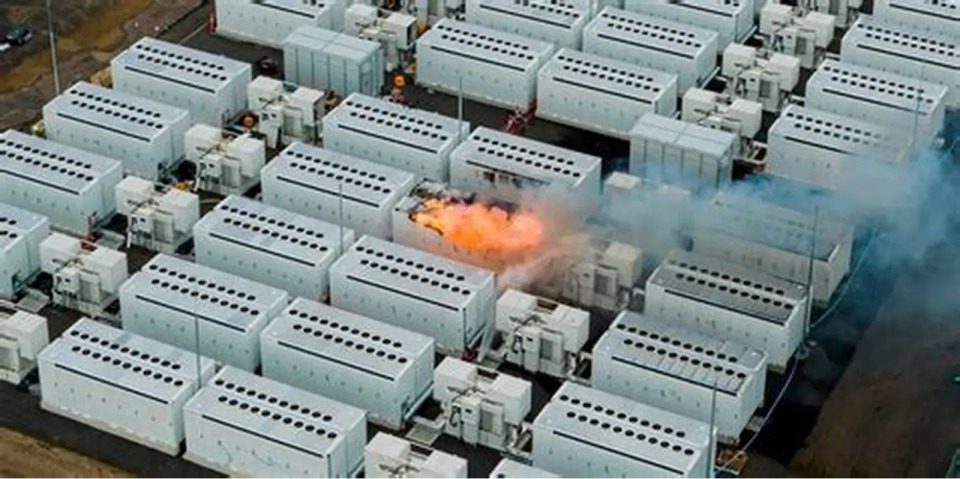
As Battery Energy Storage Systems (BESS) become central to the global energy transition, safety and environmental concerns take center stage – especially during thermal runaway incidents. These events can release a complex mix of toxic gases and particulates into the air. This is where plume modelling, particularly using AERMOD, becomes critical for proactive risk assessment and response planning.

The BESS Failure Risk: What Are We Dealing With?

In the event of a fire or thermal incident, BESS units can emit:

  • Hydrogen Fluoride (HF)
  • Carbon Monoxide (CO)
  • Hydrogen Chloride (HCl)
  • Volatile Organic Compounds (VOCs)
  • Fine and coarse particulate matter (PM2.5, PM10)
  • High-temperature smoke plumes that rise and spread unpredictably

These emissions pose serious health risks to first responders, nearby communities, and workers.

BESS

Why Plume Modelling Is Non-Negotiable

Effective plume analysis helps:

  • Quantify toxic emissions during thermal events
  • Model pollutant dispersion using atmospheric and source data
  • Predict exposure risks at site boundaries and public zones
  • Design emergency response strategies, including evacuation and shelter-in-place
  • Ensure compliance with air quality standards (e.g., NAAQS, HAPs)
  • Inform ventilation and safety design in enclosed or urban settings
  • Enhance public and stakeholder trust through transparent modelling data

The Plume Analysis Workflow

  1. Desktop Study & Data Review
  • Meteorological data (1–5 years)
  • Spill history, land use, thermal events
  • Fire suppressant use (e.g., PFAS foams)
  1. Hazard & Source Term Definition
  • Data from UL 9540A or OEMs
  • Emission rates, gas types
  • Temperature, release height, exit velocity
  1. Air Dispersion Modelling
  • Tools used: AERMOD, PHAST, SAFETI
  • Simulations for multiple weather and seasonal conditions
  1. Receptor Grid & Impact Analysis
  • Ground-level concentration measured at:
    • Site boundaries
    • Public access points
    • Sensitive receptors (schools, hospitals)
  1. Recommendations
  • Optimized ventilation layouts
  • Emergency protocols and signage
  • Community alert systems
  • Compliance documentation for EIAs and permits

Looking Forward: AERMOD as a Safety Standard

As energy storage projects scale globally, plume modelling must become a standard practice. From design validation to emergency preparedness, tools like AERMOD ensure that clean energy adoption doesn’t compromise on human or environmental safety.

Need Plume Analysis Support?

Our Environmental Engineering team offers turnkey plume modelling services for BESS, industrial facilities, and solar-hybrid projects.

Get in touch to integrate safety at the design stage.

Read More

Recent Posts

  • Grid Stability in the Age of Renewables: Engineering Reliability in a Changing Power System
  • Transitioning Away from SF₆: Practical Pathways for Grid Reliability and Climate Compliance
  • Artificial Intelligence: The New Performance Layer for Solar and Wind Assets
  • Global Engineering Expertise Powering 1 GW Solar + 200 MW Storage Projects
  • Transforming Challenging Terrains into Bankable Solar Opportunities: Morena’s Solar Blueprint

Case Study

PR and News

Events

SgurrEnergy is committed to achieving the global vision of a carbon-neutral planet.
To that end, we offer unparalleled multidisciplinary engineering expertise in the development of
renewable energy projects and ensuring the highest quality while adhering to strict budget constraints, completing projects on time, with favorable project economics.
With a proven track record of delivering several projects globally, SgurrEnergy is highly proficient and
competent in executing projects. As big enterprises are entering the solar landscape along with prominent financial corporations that see a lucrative business case and are willing to finance solar projects, holds quite a promise for Solar PVs future.

Posts pagination

1 2 »
solar consultants in india

INDIA

solar power consultancy services
CHINA
solar power plant consultants
SAUDI ARABIA
UNITED STATES
Africa

ABOUT US

  • Our Journey
  • Guiding Principles
  • Our Achievements
  • Client Testimonials

SgurrCares

BUSINESS SEGMENT

  • Solar PV
  • Wind Energy
  • Floating Solar PV
  • Energy Storage
  • Hybrids & Microgrids
  • Hydrogen
  • Power System Studies
  • EHV Engineering
  • Environmental Engineering

ENERGY ADVISORY

  • Overview
  • Component Level Bankability studies
  • Feasibility Studies
  • EPC Bid Management
  • Lender’s Independent Engineer
  • Transaction Advisory
  • Energy Storage
  • Plant Performance Assessment
  • Asset Monitoring
  • Environmental Engineering

DESIGN & ENGINEERING

  • Overview
  • Infrastructure Planning
  • Electrical Engineering
  • Detailed Engineering
  • Owner’s Engineer
  • EHV Engineering
  • Power System Studies
  • Flood Risk Assessment
  • Computational Fluid Dynamics

INSPECTION SERVICES

  • Overview
  • PV Module Inspection
  • Balance of System Components
  • ISO-17020-Accreditation

PROJECT MANAGEMENT

  • Overview
  • Engineering Coordination
  • Implementation Planning
  • Procurement Assistance
  • Execution Quality Management
  • On-site Material Management
  • Project Documentation
  • Construction Management
  • Administration Management
  • Change Management
  • HSE Management
  • Plant Testing & Commissioning Support
  • Plant Acceptance

OTHERS

  • Blogs
  • PR and News
  • Privacy Policy
  • Ethics & Code of Conduct
  • Terms & Conditions
  • Sitemap

CAREERS

INSIGHTS

CONTACT US

© 2026 SgurrEnergy Pvt. Ltd. All rights reserved.

Contact Experts