 Blogs9 min read
Posted On: April 2026
Posted On: January 2025
How Emerging Technologies and Global Expertise Are Shaping U.S. Clean Energy Projects The U.S. renewable energy sector is no longe
The U.S. renewable energy sector is no longer defined solely by megawatt capacity. Increasingly, success is measured by how projects integrate advanced technologies, withstand operational risks, and align with evolving stakeholder expectations. As demand accelerates, emerging innovations and global best practices are redefining how clean energy projects are conceived, financed, and operated.
Emerging Technologies Transforming the U.S. Market
Several technologies are setting new benchmarks in project design and performance:
These technologies not only enhance project efficiency but also improve bankability by providing greater predictability and reliability for stakeholders.
The Role of Global Expertise
While the U.S. market has unique policy frameworks and regional conditions, global expertise brings valuable perspective. Lessons from diverse geographies—ranging from floating solar in Asia to offshore wind in Europe—equip consultants and developers with strategies adaptable to U.S. contexts. Comprehensive services, such as technical due diligence, environmental impact assessments, and power system studies, ensure projects meet global standards while aligning with U.S. market dynamics.
Risk Management and Lifecycle Approach
Emerging technologies, while transformative, carry inherent risks. New battery chemistries, innovative floating solar structures, and AI-driven forecasting tools require careful evaluation. Robust feasibility studies, bankability assessments, and owner’s engineering services provide the foundation for mitigating these risks. Adopting a lifecycle approach—from concept through commissioning and operation—ensures projects achieve technical excellence, regulatory compliance, and financial performance.
Accelerating Transition with Innovation
The integration of advanced technologies and expertise enables U.S. stakeholders to accelerate the clean energy transition. By embracing innovation, developers, investors, and utilities are not just deploying projects—they are shaping a resilient, intelligent, and sustainable energy system. The future of U.S. renewable energy will be defined by how well emerging technologies are integrated and risks are managed. A blend of innovation and expertise ensures projects remain both future-ready and bankable. For stakeholders across the value chain, this balance is key to unlocking long-term growth and resilience in the clean energy sector.
Blogs9 min readPosted On: April 2026
 Blogs9 min read
Posted On: February 2026
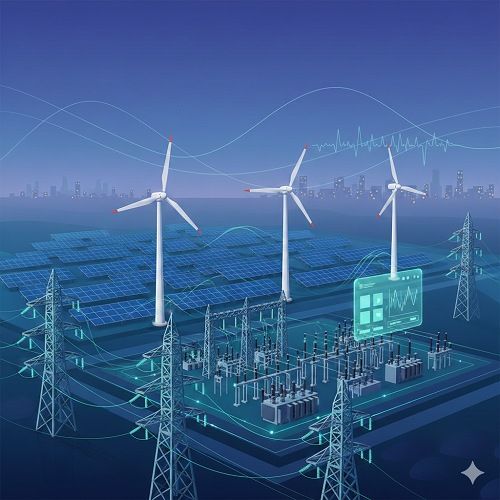
Grid Stability in the Age of Renewables: Engineering Reliability in a Changing Power System Introduction: Grid Stability & the Role of Power System Studies Services Power systems worldwide are moving from a few large synchronous generators to millions of inverter-based resources—solar PV, wind, batt
 Blogs5 min read
Posted On: February 2026
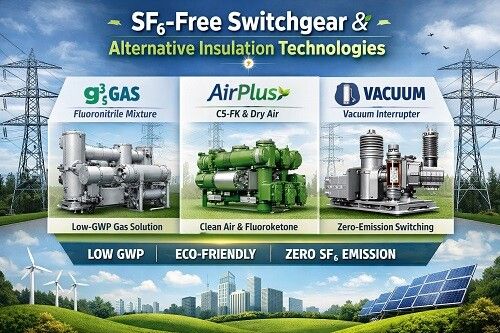
Transitioning Away from SF₆: Practical Pathways for Grid Reliability and Climate Compliance As global power systems expand, the transition away from SF₆ is no longer a theoretical exercise but a technical and financial decision point. Utilities, developers and investors must balance environmental co