

ESG ADVISORY
SgurrEnergy provides project-level ESG assessment and sustainability due diligence for renewable energy projects, helping developers, investors, lenders, DFIs(Development Finance Banks) and asset owners identify environmental, social, governance and sustainability risks. Our assessments support project bankability, responsible development, lender review, acquisition due diligence and long-term asset governance across solar, wind, BESS and hybrid renewable energy infrastructure projects.
23+
Years of Experience
2,000+
Projects
200 GW+
Supported/Advised
55+
Countries
95%
Client retention
12M+
tCO2 avoided
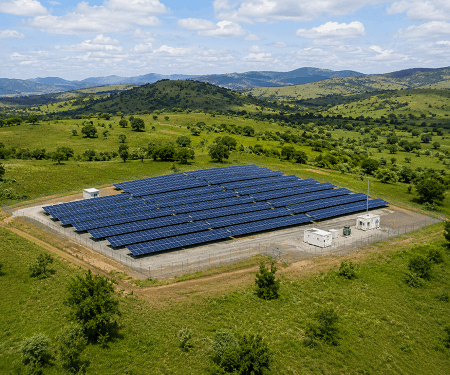
ESG Risk Assessment & Sustainability Due Diligence for Renewable Energy Projects
Renewable energy projects are expected to deliver clean power, but they must also meet increasingly rigorous environmental, social, governance and sustainability expectations. Investors, lenders, DFIs, developers and asset owners need to understand whether a project is not only technically viable, but also responsibly developed, socially acceptable, environmentally compliant and resilient across its lifecycle.
SgurrEnergy provides ESG risk assessment for solar projects, wind, BESS, floating solar and hybrid renewable energy infrastructure developments. Our services help identify ESG risks, sustainability gaps and mitigation measures that support lender confidence, regulatory alignment and long-term project value.
As an independent renewable energy technical and environmental advisor, SgurrEnergy focuses on project-level ESG assessment rather than generic corporate sustainability audits, ensuring that ESG risks are evaluated in the context of renewable energy development, financing, construction and operations.
Why Sustainability Assessment for Renewable Energy Projects Matters
A renewable energy project can face ESG and sustainability risks even when the underlying technology is environmentally beneficial.Risks related to land use, biodiversity, labour practices, stakeholder engagement, water management, waste handling, governance and regulatory compliance can affect permitting, financing, construction progress and operational performance.
A structured sustainability assessment for renewable energy projects helps stakeholders identify potential gaps,especially when millions of dollars in financing is involved early and convert them into practical mitigation and improvement plans. This strengthens project bankability, improves investor confidence and supports responsible renewable energy development.
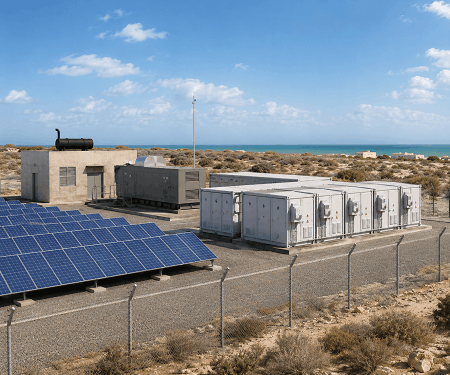
Key Benefits of ESG Review for Renewable Energy Projects
Improved Project Bankability
A structured ESG review helps identify risks that could affect financing approvals, lender confidence or investor participation. Early mitigation planning improves overall project readiness.
Better Lender & Investor Confidence
Projects that demonstrate strong ESG governance and sustainability planning are more likely to meet lender ESG expectations and investment criteria.
Reduced Regulatory & Compliance Risks
ESG assessments help identify gaps related to permits, environmental approvals, social obligations and operational compliance before they become major issues.
Stronger Community & Stakeholder Engagement
Understanding land, social and community interface risks helps improve stakeholder relationships and reduce the potential for disputes or project delays.
Enhanced Long-Term Asset Value
Projects with stronger ESG performance and sustainability planning are generally more resilient, operationally stable and aligned with long-term investor expectations.
Improved Climate Resilience & Sustainability Performance
Assessments help identify opportunities related to resource efficiency, lifecycle sustainability, climate adaptation, and operational resilience.
ESG Gap Assessment for Renewable Energy Projects
Environmental & Social Compliance Risks
Assessment of compliance with environmental permits, regulatory approvals, ESIA commitments and social obligations to identify potential legal or operational risks.
Land & Community Interface Risks
Review of land acquisition issues, resettlement concerns, local community interactions and potential social conflicts that may affect project execution or reputation.
Stakeholder Engagement Gaps
Evaluation of consultation processes, grievance mechanisms and stakeholder communication practices to determine whether engagement activities are adequate and effective.
Labour & Working Condition Risks
Assessment of workforce practices, labour standards, contractor management, worker welfare and occupational policies to identify social and compliance risks.
Biodiversity & Habitat Sensitivity Risks
Review of ecological impacts, protected areas, habitat sensitivity and biodiversity considerations that may influence project permitting or sustainability performance.
Water, Waste & Pollution Risks
Assessment of water use, wastewater management, waste handling, hazardous material controls and pollution prevention measures during construction and operations.
Health, Safety & Construction-Stage ESG Risks
Evaluation of occupational health and safety practices, emergency preparedness, contractor safety management and construction-related ESG exposures.
Supply Chain & Procurement-Related ESG Exposure
Review of procurement practices, supplier ESG risks, sourcing transparency and supply chain sustainability concerns associated with project components and contractors.
Governance & Documentation Gaps
Assessment of compliance with environmental permits, regulatory approvals, ESIA commitments and social obligations to identify potential legal or operational risks.
Lender ESG Compliance Renewable Energy Requirements
Review of project alignment with lender standards, DFI requirements, ESG frameworks and financing-related sustainability expectations.
Climate Resilience & Sustainability Risks
Evaluation of consultation processes, grievance mechanisms and stakeholder communication practices to determine whether engagement activities are adequate and effective.
Gaps Against Project-Specific ESG Commitments
Evaluation of project commitments against actual implementation status to identify areas requiring corrective actions or improvement measures.
When ESG Due Diligence for Renewable Energy is Required
Project Development Phase
ESG assessments help identify environmental, social and governance risks early during project planning and site development stages.
Pre-Investment Screening
Investors and funds use ESG screening to evaluate project risks, sustainability alignment and investment suitability before financial commitment.
Lender Review & Financing
Lenders and DFIs often require project-level ESG reviews to assess financing risks, compliance gaps and mitigation measures.
Environmental & Social Due Diligence
Projects undergoing due diligence require structured ESG evaluations to support acquisitions, financing or regulatory review processes.
Acquisition or Refinancing Activities
ESG assessments support transaction-related risk identification during asset acquisition, refinancing or portfolio restructuring activities.
Construction-Stage Monitoring
Monitoring during construction helps identify emerging ESG issues related to labour, safety, environmental impacts and contractor performance.
Operational Asset Review
Operating renewable energy assets may require ESG performance reviews to evaluate ongoing compliance and sustainability improvements.
Portfolio-Level Sustainability Review
Investors and IPPs may conduct portfolio-level ESG reviews to benchmark sustainability performance across multiple renewable energy assets.
Gap Assessment Against Lender or Investor Requirements
Projects may require ESG gap assessments to align with lender frameworks, investment standards or project-specific sustainability commitments.
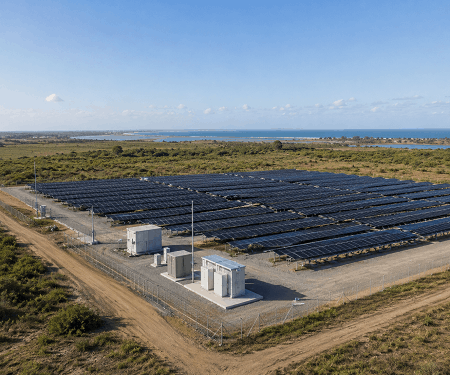
SgurrEnergy’s ESG Review for Renewable Energy Projects Approach
1
Project ESG Context Review
Review of project type, location, stakeholders, regulatory framework, project phase and overall ESG risk profile.
2
Document & Compliance Review
Assessment of ESIA documentation, permits, environmental management plans, social documentation, HSE plans and monitoring reports.
3
ESG Risk & Gap Assessment Renewable Energy
Identification of gaps against project requirements, lender expectations, ESG policies and responsible development standards.
4
Technology-Specific ESG Risk Review
Assessment of ESG risks associated with solar PV, wind, BESS, floating solar, substations and hybrid renewable energy projects.
5
Stakeholder & Community Risk Review
Evaluation of social licence risks, community engagement, consultation practices and grievance management mechanisms.
6
Sustainability Performance Assessment Renewable Energy
Review of sustainability opportunities related to resource efficiency, lifecycle performance, water management, waste reduction and climate resilience.
7
Action Plan Development
Development of mitigation measures, corrective actions, ESG monitoring recommendations and improvement strategies.
Deliverables
- ESG & sustainability assessment report
- ESG risk register
- ESG gap assessment renewable energy report
- Sustainability due diligence renewable energy report
- Project-level ESG action plan
- Lender ESG review inputs
- ESMS gap review
- Monitoring & improvement plan
- Acquisition/refinancing ESG assessment
- Portfolio-level ESG review inputs
Technology Applicability
- Utility-scale solar PV
- Wind energy projects
- Battery energy storage systems (BESS)
- Floating solar PV
- Hybrid renewable energy projects
- Renewable energy parks
- Substations & grid infrastructure
- Operating renewable energy assets
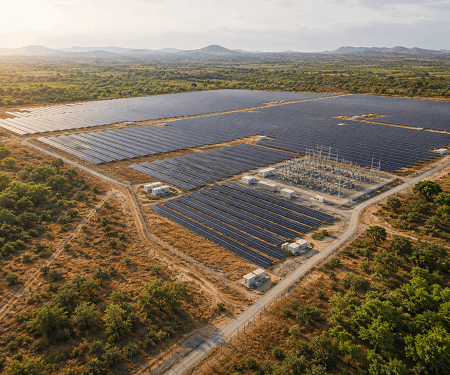
Why SgurrEnergy for Project-Level ESG Assessment
SgurrEnergy combines independent renewable energy consulting, environmental assessment, engineering review and lifecycle project understanding. This enables ESG and sustainability risks to be assessed not as standalone compliance issues, but as factors that can directly affect permitting, financing, construction, asset performance and long-term operational value.Our experience with ESIA and climate risk assessment as per IFC’s(International Finance Corporation) 8 performance standards demonstrates our expertise in the highest ESG standard, making it possible to deliver the same standards to client assessments.
Our multidisciplinary expertise across solar, wind, BESS and hybrid renewable energy infrastructure allows us to provide practical, project-focused ESG assessment and sustainability advisory services aligned with lender, investor and regulatory expectations.
Our Services
Improved Project Bankability
Mitigating technical risks during initial stages of solar project development
EPC Bid Management
Providing support in bid process management for selection and evaluation of contractors
Lender’s Independent Engineering
Delivering rigorous due diligence and quality monitoring for lenders and investors
Transaction Advisory
Providing independent assessment by identifying project risks and mitigation
Plant Performance Assesment
Assessing the project performance to improve performance and reliability
Asset Monitoring
Manage Projects and its Assets, for cost, performance and operational-life effectiveness.
Environmental Engineering
Ecologically responsible soultions, designed in harmony with the environment
FAQs
What is ESG assessment for renewable energy projects?
It is the evaluation of environmental, social and governance risks that may affect project development, financing, construction, operation or acquisition.
How is ESG assessment different from sustainability assurance?
ESG assessment evaluates project-level risks and operational gaps, while sustainability assurance generally verifies corporate sustainability disclosures or ESG reporting data. ESG assessment is done for a project while sustainability assurance is done for a report.
Who needs ESG assessment for renewable energy projects?
Developers, lenders, investors, funds, IPPs and renewable energy asset owners use ESG assessments to identify risks, compliance gaps and sustainability improvement opportunities.
Can ESG risks affect renewable energy financing?
Yes. Land, biodiversity, labour, water, HSE, stakeholder or compliance-related risks can create lender observations and potentially delay financing approvals.
Does SgurrEnergy support portfolio-level ESG reviews?
Yes. SgurrEnergy supports both project-level and portfolio-level ESG reviews for renewable energy assets and infrastructure portfolios.